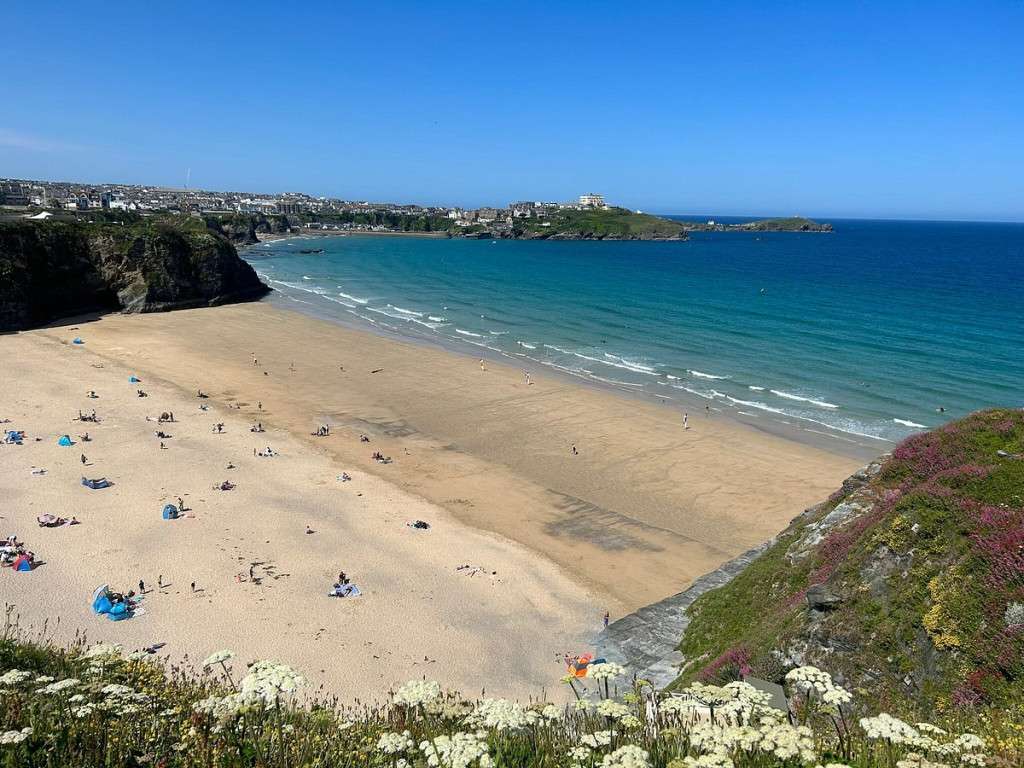


Tucked away on Cornwall’s wild north coast, Newquay is so much more than just a surfer’s paradise with its golden beaches and rolling waves. This charming town is steeped in history, from ancient burial mounds to Victorian grandeur, each landmark telling a story of its past. As someone who’s wandered these paths and soaked in the tales, I’m excited to share a guide to Newquay’s historic gems. Whether you’re a history buff, a curious traveller, or just fancy a day out with a bit of heritage, these iconic sites will bring Newquay’s rich past to life. Let’s dive into the heart of this Cornish town and uncover its secrets!
Why Newquay’s History Captivates
Picture Newquay centuries ago: a tiny fishing village called Towan Blystra, meaning “hill blown” in Cornish, with boats bobbing in the harbour and fishermen hauling in pilchards. The town’s name came from a “new quay” built in the 15th century, sparking its growth as a maritime hub. Fast forward to the 19th century, and the railway brought tourists flocking to its shores, transforming it into the vibrant seaside town we know today. From Bronze Age settlers to Victorian holidaymakers, Newquay’s historic landmarks weave a tapestry of stories that make it a must-visit for anyone keen to explore Cornwall’s heritage.
1. Huer’s Hut: Where Fishermen’s Tales Echo
Perched like a sentinel on Towan Head, the Huer’s Hut is a little whitewashed gem that’s hard to miss. This stone lookout, likely built in the late 18th or early 19th century (though locals swear it dates back to the 14th), was where a “huer” stood watch, scanning the sea for pilchard shoals. When he spotted a shimmering school, he’d bellow “Hevva, hevva!” or blow a trumpet to guide fishermen below. Restored in 2014 with help from local crowdfunding, this Grade II* listed hut is a love letter to Newquay’s fishing roots.
Why Visit?
- The views over Fistral Beach and the Atlantic are breathtaking.
- It’s a perfect spot to feel the pulse of Newquay’s maritime past.
- A short, scenic walk along the South West Coast Path gets you there from Fistral or Pentire.
Tips for Your Trip:
- Catch a sunrise or sunset for Instagram-worthy shots.
- Pair it with a visit to the nearby War Memorial for a quick history fix.
- It’s free to explore, with steps to climb for a closer look.
2. Barrowfields: Ancient Mounds Meet Modern Fun
Just a hop from Tolcarne Beach, Barrowfields is a clifftop treasure where Bronze Age burial mounds, over 3,500 years old, sit against a backdrop of crashing waves. These ancient barrows, used for ceremonial burials, whisper of Cornwall’s prehistoric past. What’s wild is that today, the site doubles as home to Body Bounce, a bouncy castle park where kids can leap about while you ponder ancient history. It’s a quirky mix of old and new that makes Barrowfields so special.
Why Visit?
- Perfect for families who want history with a side of fun.
- The clifftop views are a treat for the eyes.
- Easy to reach on foot from Newquay’s town centre.
Tips for Your Trip:
- Spring or autumn visits mean fewer crowds and milder weather.
- Pop over to Tolcarne Beach afterward for a full day out.
- The barrows are free to see; check Body Bounce hours for family fun.
3. Trevelgue Headland (Porth Island): A Fortress from the Past
Just outside Newquay, Trevelgue Headland better known as Porth Island is a rugged beauty. This Iron Age cliff castle, complete with ancient ramparts and Bronze Age barrows, was a stronghold for early settlers, offering epic views and defence against invaders. Walking its paths, you can almost hear the whispers of ancient warriors. It’s a scheduled monument, and the South West Coast Path makes it a walker’s dream.
Why Visit?
- Stunning coastal scenery meets fascinating archaeology.
- Ideal for history lovers and hikers alike.
- Feels like stepping back into Cornwall’s ancient days.
Tips for Your Trip:
- Start from Porth Beach and wear sturdy shoes for the rocky terrain.
- Bring binoculars for spotting seabirds or distant ships.
- Free to visit, but pack water as there are no facilities.
4. Headland Hotel: Victorian Drama and Coastal Charm
Overlooking Fistral Beach, the Headland Hotel is a grand old dame of Newquay’s history. Built in 1900 by architect Silvanus Trevail, it caused quite a stir locals rioted when it took over land where fishermen dried their nets. This Grade II listed beauty served as a hospital in World War II and even starred in the 1990 film The Witches. With its terracotta facade and stormy sea views, it’s a symbol of Newquay’s leap into tourism.
Why Visit?
- Jaw-dropping views of Fistral Beach and Towan Head.
- A chance to soak up Victorian elegance and history.
- Open to non-guests for dining or a luxurious spa day.
Tips for Your Trip:
- Book afternoon tea for a taste of old-world charm.
- Visit during a storm for dramatic wave-watching.
- Check for seasonal events or guided hotel tours.
5. Newquay War Memorial: A Tribute to Heroes
On a headland overlooking the bay, the Newquay War Memorial stands tall as a Grade II listed granite cross. Unveiled in 1921 by the Duke of Cornwall, it honours locals lost in the First and Second World Wars. Built on a site once used as a Napoleonic lookout, it’s a poignant reminder of Newquay’s sacrifices, blending wartime history with coastal beauty.
Why Visit?
- A moving spot to reflect on Newquay’s wartime past.
- Offers sweeping views of the coastline.
- Pairs well with nearby Huer’s Hut or Headland Hotel.
Tips for Your Trip:
- Visit on Remembrance Day for special ceremonies.
- Easy parking at Towan Head; it’s free to visit.
- Keep it respectful this is a place of remembrance.
6. Great Western Hotel: Newquay’s Victorian Welcome
The Great Western Hotel, opened in 1879, was Newquay’s first proper hotel, designed by Silvanus Trevail to welcome wealthy Victorian holidaymakers after the railway arrived. Overlooking Great Western Beach, it’s a slice of history that still buzzes with life. A shiny new plaque unveiled in 2024 celebrates its role in making Newquay a tourist hotspot.
Why Visit?
- Oozes Victorian charm with modern comforts.
- Perfect for a pint while soaking in history.
- Right in the heart of Newquay, near beaches and shops.
Tips for Your Trip:
- Stop by for a drink or meal to feel the vibe.
- Stroll to Great Western Beach for a perfect pairing.
- Look out for historical displays or seasonal deals.
7. Trenance Cottages: A Quiet Corner of Old Newquay
Tucked in the lush Trenance Gardens, these Grade II listed cottages from the 18th century are a peek into Newquay before the tourists came. Once home to folks like a lifeboat coxswain, they were lovingly restored with help from the Heritage Lottery Fund. Now, they’re a hub for a café, art gallery, ice-cream hut, and even weddings, blending old-world charm with modern community spirit.
Why Visit?
- A peaceful escape with a side of history.
- Great for families with the nearby boating lake and railway.
- Shows how Newquay’s locals lived before the tourism boom.
Tips for Your Trip:
- Grab a coffee at the café and wander the gardens.
- Check for art shows or wedding events.
- Free to visit the gardens; cottage access varies.
8. Newquay Harbour: Where the Sea Meets History
Since its construction in 1835, Newquay Harbour has been the beating heart of the town’s maritime story. This sturdy stone quay replaced flimsier versions, boosting trade in pilchards, tin, and copper. Today, it’s still a lively fishing port where you can hop on a boat trip or snap photos of colourful vessels bobbing in the water.
Why Visit?
- A lively spot to feel Newquay’s seafaring soul.
- Perfect for fishing trips or wildlife boat tours.
- Right in town, easy to pop by.
Tips for Your Trip:
- Visit at low tide for the best views of the harbour.
- Book a boat tour for a fun, hands-on experience.
- Free to wander, with cafes nearby for a quick bite.
9. The Gannel Estuary: Where Trade Meets Tranquility
The Gannel Estuary, just outside Newquay, is a hidden gem where history and nature collide. In the 18th and 19th centuries, schooners sailed up this tidal river, carrying coal, timber, and sand to Trevemper Bridge. Old shipbuilding sites linger, and wildlife like egrets and eels make it a haven for nature lovers. It’s a calm spot to reflect on Newquay’s trading days.
Why Visit?
- A peaceful blend of history and natural beauty.
- Great for birdwatching or quiet walks.
- Feels like a step away from the hustle of town.
Tips for Your Trip:
- Check tide times to avoid getting caught by high water.
- Walk from Mount Wise or the Boating Lake, as parking’s limited.
- Free to explore; wear good shoes for trails.
10. St. Michael the Archangel Church: A Community Beacon
Built between 1909 and 1911 by Sir Ninian Comper, this Neo-Gothic church is a stunner, with a 105-foot tower added in 1969. It seats up to 1,000 and doubles as a community hub, hosting events, a food bank, and groups like the Newquay Memory Café. It’s a place where history and heart come together.
Why Visit?
- Gorgeous architecture with a welcoming vibe.
- A peek into Newquay’s community spirit.
- Central spot near Trenance Gardens.
Tips for Your Trip:
- Check for events or services to join in.
- Respect worship times when visiting.
- Free entry, but donations are appreciated.
11. Newquay Heritage Archive & Museum: Stories in One Place
This small, volunteer-run museum is a goldmine for anyone curious about Newquay’s past. From fishing and smuggling to wartime tales, its exhibits bring history to life with artifacts and photos. It’s free to visit (donations welcome) and a perfect spot to dig deeper into the town’s roots.
Why Visit?
- Packed with local stories in a cosy setting.
- Run by passionate volunteers who love to chat.
- Right in town, easy to fit into your day.
Tips for Your Trip:
- Check seasonal opening hours before you go.
- Pair with a visit to Newquay Harbour for a maritime theme.
- Ask volunteers for their favourite tales!
12. Lappa Valley Steam Railway: A Ride Through History
Just outside Newquay, the Lappa Valley Steam Railway chugs along a 19th-century mineral trackbed. This narrow-gauge railway offers scenic rides through lush countryside, plus a boating lake and play areas for kids. It’s a fun way to soak up Cornwall’s industrial past while keeping the family entertained.
Why Visit?
- A nostalgic ride with historical charm.
- Great for families and train enthusiasts.
- A relaxing escape from Newquay’s buzz.
Tips for Your Trip:
- Book tickets online during busy seasons.
- Allow time for the play areas and trails.
- Entry fees apply; check the website for details.
A Suggested Historic Walking Route
Want to see Newquay’s history in a day? Here’s a route I’d recommend:
- Start at Huer’s Hut: Begin at Towan Head for fishing history and coastal views.
- Barrowfields: Walk the South West Coast Path to the Bronze Age barrows.
- Trevelgue Head: Continue to Porth Island for Iron Age fortifications.
- Newquay War Memorial: Visit the headland for wartime history.
- Great Western Hotel: Stroll past this Victorian gem near Great Western Beach.
- Headland Hotel: Admire its dramatic setting and tourism legacy.
- St. Michael’s Church & Trenance Cottages: End in Trenance Valley for community and pre-tourism history.
- Optional: Stop by Newquay Harbour or the Heritage Archive & Museum for deeper insights.
Distance: Approximately 3–5 miles, taking 2–4 hours at a leisurely pace.
Tips: Wear comfortable shoes, bring water, and check tide times for coastal paths.
Why Visit Newquay’s Historic Landmarks?
Newquay’s landmarks offer a multifaceted journey through time:
- Maritime Heritage: Huer’s Hut, Newquay Harbour, and the Gannel Estuary highlight the town’s fishing and trade roots.
- Ancient Roots: Barrowfields and Trevelgue Head connect visitors to Bronze and Iron Age Cornwall.
- Victorian Transformation: The Headland Hotel, Great Western Hotel, and Trenance Cottages reflect the 19th-century tourism boom.
- Wartime and Community: The Newquay War Memorial and St. Michael’s Church honour local sacrifices and community spirit.
- Cultural Preservation: The Heritage Archive & Museum and Lappa Valley Railway keep Newquay’s stories alive.
Practical Tips for Visiting
- Best Time to Visit: Spring (April–May) or autumn (September–October) offer mild weather and fewer crowds. Summer is vibrant but busy, with lifeguards at beaches.
- Accessibility: Most sites are free and accessible via coastal paths or town centre walks. The Gannel Estuary has limited parking, so plan to walk.
- Guided Tours: Check the Newquay Heritage Archive & Museum for local history tours or join coasteering trips for wartime relics and smuggling tunnels.
- Events: Look for Remembrance Day at the War Memorial, community events at St. Michael’s Church, or festivals like Boardmasters for a modern twist.
- Nearby Attractions: Combine with surfing at Fistral Beach, dining at Newquay Harbour, or family fun at Trenance Gardens’ boating lake.
Wrap-Up: Newquay’s Timeless Treasures
Newquay’s historic landmarks are a love letter to its past, from ancient barrows to Victorian hotels. Each site tells a piece of the town’s story, blending rugged beauty with tales of resilience and reinvention. Whether you’re tracing fishermen’s footsteps at Huer’s Hut or sipping tea at the Headland Hotel, Newquay’s history will steal your heart. So, lace up your shoes, hit the coastal paths, and let these landmarks weave their magic.